Ashunda Prep: Pathway Forward
A 36 week school year program in agency, academic planning, college access, and career readiness for students in grades 9 through 12, including first generation students navigating unfamiliar pathways.
Students develop the knowledge and judgment to:
Direction is something students can practice.
Pathway Forward gives high school students a reliable weekly structure for understanding themselves, navigating school, evaluating college options, and preparing for the world of work.
Each experience combines reflection, practical learning, a focused exercise, evidence of completion, and one real next move.
Organizations receive a consistent developmental experience that complements advising, counseling, family engagement, and college access work already in place while supporting an inclusive, diverse, and equitable school community.
Ashunda Prep: Global to U.S. University Bridge extends this readiness focus to the academic, communication, admissions, and transition expectations international secondary students may encounter.
Four developmental phases. Thirty six original weekly experiences.

Weeks 1 through 9 build self knowledge, agency, goal ownership, sustainable systems, perseverance, help seeking, and support networks.

Weeks 10 through 18 focus on academic interpretation, course selection, study methods, time and energy, responsible artificial intelligence use, enrichment, and summer planning.
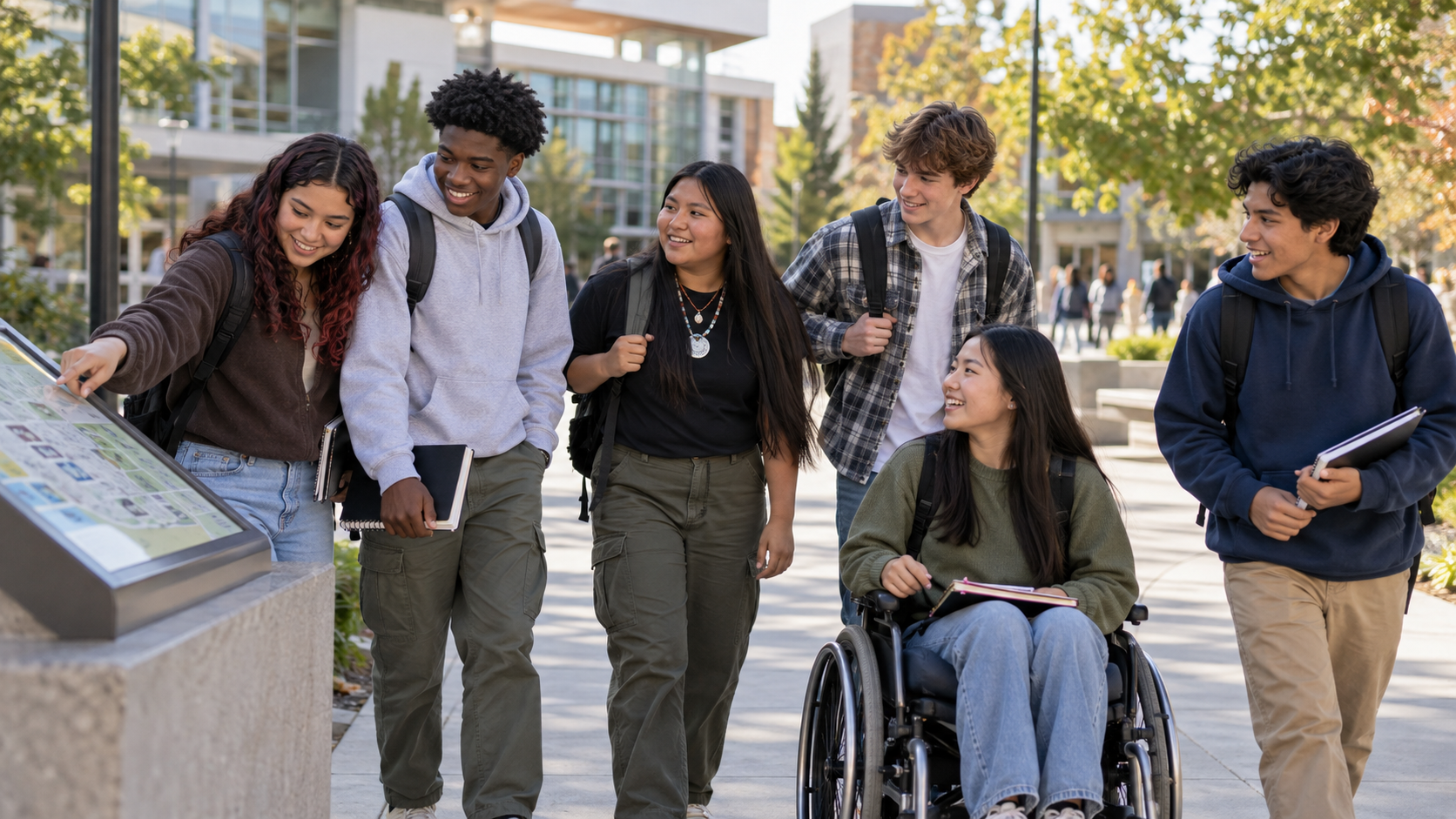
Weeks 19 through 27 cover college fit, majors and pathways, research, admissions timelines, personal storytelling, financial awareness, scholarships, and campus visits, with attention to the questions first generation students may encounter while navigating unfamiliar college systems.

Weeks 28 through 36 develop career exploration, transferable skills, professional communication, interviews, internships, leadership, wealth building, and the final Pathway Portfolio.
A consistent rhythm that turns reflection into action.

Progress visibility, appropriate outreach, and flexible school year enrollment.
Participation: See whether students are accessing and progressing through the program.
Completion: Review lesson and phase completion across the school year.
Evidence: Use structured learner artifacts and checkpoints to understand development.
Support signals: Identify when outreach from an advisor, counselor, educator, family member, or other appropriate professional may be useful.
Pathway Forward is educational, developmental, and preventive. It does not provide therapy, diagnosis, counseling, crisis intervention, or individualized case management. Direct advising and intervention remain with the organization’s designated professionals.
$4,140 per student
Each student receives 36 weeks of access and one complete guided learning experience every week.
10 students: $41,400
15 students: $62,100
20 students: $82,800
The organization chooses the number of students to enroll based on its cohort needs.
Evidence of Strength
Recall one moment you handled better than you expected.
Recognize strength in school, family, team, work, and community experiences.
Turn a general belief into a capability supported by evidence.
Create a Strength Evidence Map using four real experiences.
Identify the strength with the clearest evidence.
Use that strength intentionally in one real situation.
Experience in student development, higher education, and purposeful progress.
Ashunda D. Thomas, MA, PhD.c brings her psychology informed work in student and professional development to Ashunda Prep: Pathway Forward. Her focus is on helping students understand their strengths, navigate unfamiliar educational pathways, communicate clearly, and make informed next decisions.
As an Executive Coach and Industrial Organizational Psychology practitioner, she translates psychological insight into practical professional development. She has coached professionals and executives since 2011, supporting clearer decisions, grounded performance, sustainable leadership, and career development.
Her higher education work includes success coaching for students in master’s and doctoral programs. She supports students as they navigate academic demands, work through challenges, maintain focus on their goals, and identify practical next actions. She has also taught English as a Second Language since 2016, bringing experience in communication and learning across different backgrounds.
Her approach connects reflection with practical application. In Pathway Forward, students practice agency, academic planning, college access, career readiness, professional development, and leadership. They build evidence of their capabilities and learn to seek support while taking ownership of their next steps.
A former graduate student’s perspective on sustained guidance, practical support, and purposeful progress.
This recommendation reflects Ashunda’s broader coaching work supporting a student through a doctoral journey.
“She consistently provided valuable guidance, encouragement, and practical solutions that helped me navigate challenges and stay focused on my goals. She even attended my doctoral dissertation defense, demonstrating her genuine commitment to my success.”
“Ashunda is highly intelligent, thoughtful, dependable, and an excellent listener. She understands people's challenges, recognizes their strengths, and motivates them to achieve their goals. Her expertise in organizational psychology, executive coaching, and professional development makes her especially effective at helping others overcome obstacles and reach their full potential.”
“Beyond her professional expertise, Ashunda is a gem of a person. She is incredibly kind, caring, patient, respectful, and supportive. She treats people with genuine warmth, celebrates their achievements, and makes them feel valued and understood.”
“Ashunda is the kind of person who makes a lasting difference in people's lives. Her dedication, integrity, and exceptional character make her an outstanding coach, mentor, and trusted professional.”
Former graduate student
Selected excerpts from a recommendation
Submit one structured request for your school or educational organization.